What a urine routine test checks
MedlinePlus describes a urinalysis as the physical, chemical and microscopic examination of urine. A routine report from most laboratories follows the same three parts:
- Physical examination: colour and clarity (clear or cloudy), looked at with the naked eye. Many labs also record specific gravity here.
- Chemical examination: a dipstick with small chemical pads that change colour when a substance is present. It checks pH, protein, glucose (sugar), ketones, bilirubin, blood, nitrites and leukocyte esterase.
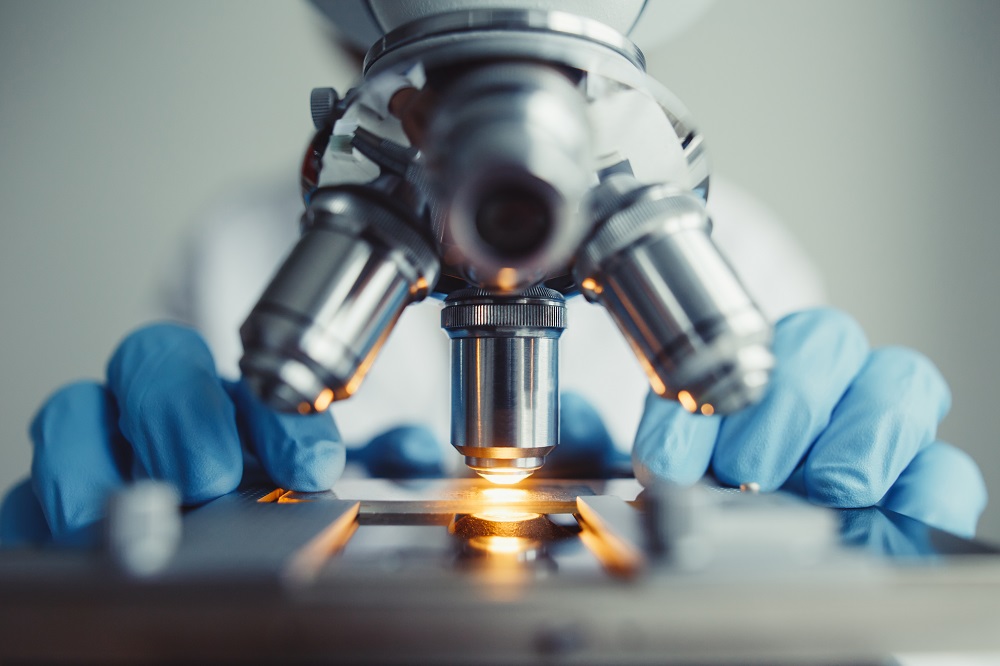
- Microscopic examination: a drop of urine is looked at under a microscope for red cells, white cells (pus cells), epithelial cells, crystals, casts, mucus and bacteria or other germs.
Doctors use the test for routine screening, to look for signs of diabetes or kidney disease, to check for blood in the urine and to diagnose a urinary tract infection. At our centre, the diagnostics catalogue lists Urine Routine and Microscopy, and the tests catalogue lists Urine Routine under Urine Test.
Urine routine test normal values table
The values below come from the MedlinePlus Medical Encyclopedia. Ranges vary slightly between laboratories, so read your result against the reference range printed on your own report.
| Item on the report | Usual normal result | Source |
|---|---|---|
| Colour | Almost colourless to dark yellow; some foods such as beetroot can turn urine red | MedlinePlus urinalysis |
| pH | 4.6 to 8.0 | MedlinePlus urine pH |
| Specific gravity | 1.005 to 1.030 | MedlinePlus urine specific gravity |
| Protein (albumin) | Usually not detectable; random sample 0 to 14 mg/dL | MedlinePlus urinalysis, urine protein |
| Glucose (sugar) | Usually not detectable | MedlinePlus urinalysis |
| Ketones | Usually not detectable | MedlinePlus urinalysis |
| Bilirubin | Usually not detectable | MedlinePlus urinalysis |
| Blood / haemoglobin | Not normally found | MedlinePlus urinalysis |
| Nitrite | Not normally found | MedlinePlus urinalysis |
| Leukocyte esterase | Negative | MedlinePlus leukocyte esterase test |
| Red blood cells (microscopy) | 4 RBCs per high power field (HPF) or fewer | MedlinePlus RBC urine test |
| White blood cells / pus cells (microscopy) | Not normally found; use the reference range on your report | MedlinePlus urinalysis |
Reports often write "Nil", "Absent" or "Negative" for substances that are not detected, and "Trace", "+", "++" or "+++" for small to large amounts on the dipstick. A single trace result is common and is not a diagnosis on its own.
What abnormal results can mean
MedlinePlus lists kidney disease, urinary tract infection, kidney stones, poorly controlled diabetes and bladder or kidney cancer among the conditions an abnormal urinalysis may point to. Each part of the report gives a different clue:
- Protein: causes listed by MedlinePlus include kidney problems such as diabetic kidney disease, dehydration, urinary tract infection, heart failure, multiple myeloma and pregnancy complications such as preeclampsia. Strenuous exercise, recent contrast dye for a scan and vaginal fluid in the sample can also raise it. Your doctor may follow up with a urine albumin-to-creatinine ratio, explained in our kidney function test guide.
- Glucose and ketones: sugar is not usually found in urine. When it is, the doctor will normally check blood sugar; see our guide to the HbA1c test and sugar test ranges.
- Leukocyte esterase, nitrite and pus cells: a positive leukocyte esterase test may mean a urinary tract infection. MedlinePlus notes that trichomonas infection and vaginal secretions such as blood or heavy mucus can also make it positive, while high protein or high vitamin C can hide a true positive.
- Red blood cells: more than 4 per HPF can be caused by infection or stones, kidney inflammation or injury, prostate problems and, less commonly, cancer of the bladder, kidney or urinary tract.
- Bilirubin: it is not usually found in urine, so a positive result may lead the doctor to check your liver; see our liver function test guide.
- pH: a high (alkaline) pH may be seen with urinary tract infection, kidney failure, vomiting or renal tubular acidosis; a low (acidic) pH with diarrhoea, starvation or metabolic acidosis such as diabetic ketoacidosis. Diet also moves pH: fruits and vegetables can raise it, and meat, fish or cheese can lower it.
- Specific gravity: a high value is commonly seen with dehydration, and also with glucose in the urine and some heart, hormone and kidney conditions. A low value can follow drinking a lot of fluid, and is also seen with kidney failure, diabetes insipidus and severe kidney infection.
None of these findings is a diagnosis by itself. The doctor reads the report together with your symptoms and may repeat the test, order a urine culture or add blood tests.
How to give a clean-catch urine sample
A clean-catch, midstream sample keeps germs from the skin out of the cup, which is one of the easiest ways to avoid a misleading result. The steps below follow MedlinePlus guidance:
- Ask what kind of sample is needed. Most routine urine tests use a random clean-catch sample. Some tests need a 24-hour collection instead, and your doctor or the lab will tell you which one.
- Wait 2 to 3 hours if you can. If possible, give the sample after urine has been in your bladder for 2 to 3 hours, as MedlinePlus advises for a clean-catch sample.
- Wash your hands and clean the area. Wash your hands with soap and water. Clean the genital area with the wipe from the kit: women wipe front to back, and men clean the head of the penis, pulling back the foreskin if not circumcised.
- Collect a midstream sample. Pass a small amount of urine into the toilet and stop. Then collect urine in the sterile cup until it is about half full, and finish passing urine into the toilet.
- Close the cup and hand it in quickly. Screw the lid on tightly without touching the inside of the cup or lid. Hand it to the lab as directed. If you collected it at home, seal it in a plastic bag and keep it in the refrigerator until you can bring it in.
The lab may give you a different instruction, for example a first morning sample or a 24-hour collection. Follow what you are told.
Preparation, medicines and things that can change the result
A routine urine test does not usually need fasting. If blood tests are ordered on the same visit, follow the fasting time for those, as explained in our fasting blood test guide. Drink water normally unless you are asked not to, since very concentrated or very dilute urine changes specific gravity.
MedlinePlus notes that some medicines change the colour of urine without any disease, including chloroquine, iron supplements, levodopa, nitrofurantoin, phenazopyridine, phenothiazines, phenytoin, riboflavin and triamterene. Tell your doctor about every medicine and supplement you take, and do not stop any of them unless your doctor tells you to.
If you are having your period, tell the lab staff before giving the sample, because blood or vaginal fluid in the cup can affect protein, red cell and leukocyte esterase results.
When to see a doctor
See a doctor promptly if you have burning or pain while passing urine, a frequent urge to pass urine, fever with back or side pain, visible blood in the urine, or swelling of the face or feet. A urine test may be one of the first tests the doctor asks for, often with a kidney function test or a CBC.
Bring your old reports when you come, so the doctor can compare them. Our doctors can explain your report and the next steps.